
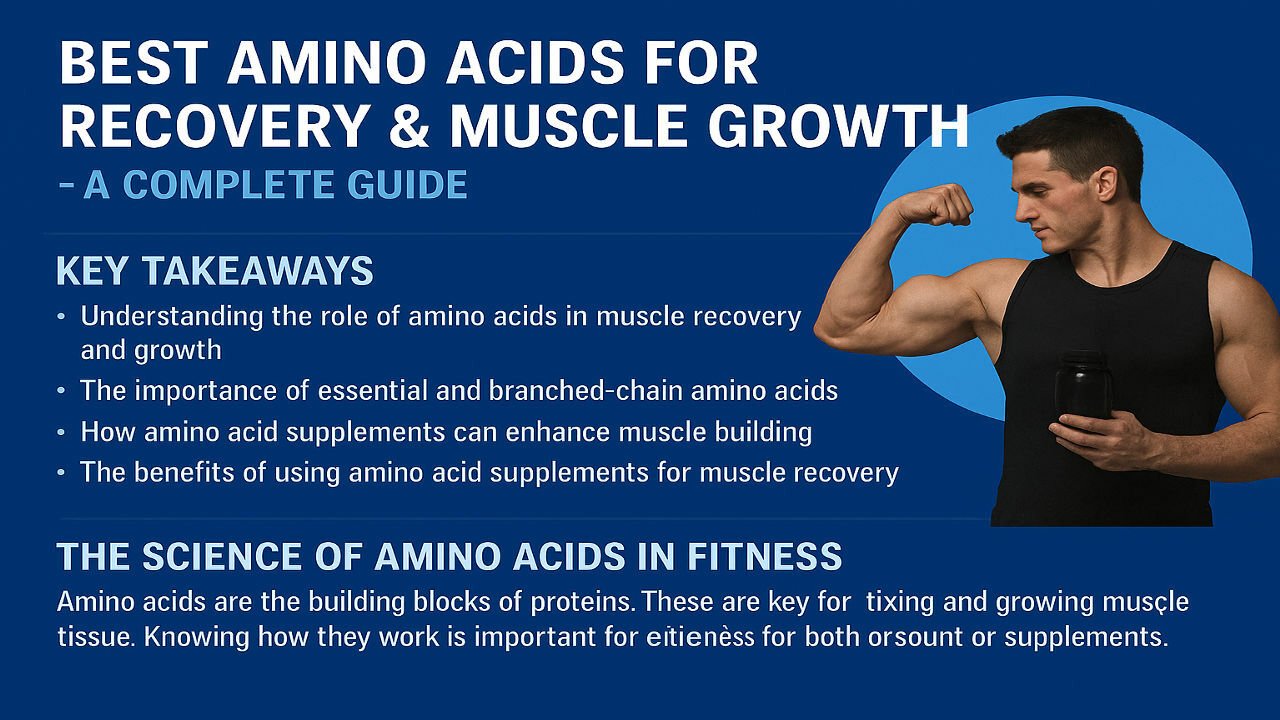
Amino Acids is best for recovery and muscle growth. For those who love fitness, getting muscles to recover and grow is key. A big part of this is using amino acid supplements. They are essential for building and fixing muscles.
Essential amino acids and branched-chain amino acids are super important. They help build muscles and speed up recovery. This means less soreness and better performance.
Key Takeaways
- Understanding the role of amino acids in muscle recovery and growth
- The importance of essential and branched-chain amino acids
- How amino acid supplements can enhance muscle building
- The benefits of using amino acid supplements for muscle recovery
- Key considerations when choosing an amino acid supplement
The Science of Amino Acids in Fitness
Amino acids are the building blocks of proteins. These are key for fixing and growing muscle tissue. Knowing how they work is important for fitness.
What Are Amino Acids and How Do They Work?
Amino acids are compounds that form proteins. They help with muscle repair and growth. When we eat them, our body uses them to build new proteins or fix muscles.
The Building Blocks of Muscle Tissue
Muscle tissue is made of proteins and amino acids. When we exercise, our muscles get tiny tears. Amino acids help fix and make these muscles stronger over time.
Essential vs. Non-Essential Amino Acids
There are 20 amino acids our body uses. They are split into essential and non-essential amino acids. Non-essential amino acids our body can make. But essential amino acids (EAAs) we must get from food or supplements.
Why Your Body Can’t Produce Essential Amino Acids
Essential amino acids are key for muscle growth and recovery. Our body can’t make them because it lacks certain enzymes. So, we need to eat or take EAAs to help our muscles grow and stay healthy.
It’s important to know the difference between essential and non-essential amino acids. Focusing on essential amino acids helps support fitness goals. This includes growing muscles, recovering, and improving overall performance.
STOCK IS LIMITED
How Muscle Recovery and Growth Actually Happens
Muscle recovery and growth need a balance between damage from exercise and the right nutrition. When you do resistance training or hard activities, you damage your muscle fibers. This damage starts a series of steps to fix and make your muscles stronger.
The Muscle Damage and Repair Cycle
Damage to muscles starts an inflammatory response, which is a healing process. Your body sends immune cells to the damaged area to clean up and get ready for repair. Then, satellite cells join the damaged fibers, fixing and making them stronger.
Key stages in the muscle damage and repair cycle include:
- Inflammation
- Debridement (clearing of damaged tissue)
- Repair and rebuilding
- Remodeling and strengthening
Protein Synthesis: The Key to New Muscle
Protein synthesis is how your body makes new proteins to fix and grow muscle. Resistance training boosts protein synthesis, which stays high for hours after working out. Eating enough protein, with essential amino acids, is key for muscle repair and growth.
Recovery Timelines for Different Training Types
Recovery times change based on the workout’s intensity and type. For example, intense resistance training needs more time to recover than light endurance activities.
Factors That Affect Your Recovery Rate
Many things can change how fast you recover, like age, diet, sleep, and training experience. Knowing these can help you plan your recovery strategies better.
| Factor | Impact on Recovery |
|---|---|
| Nutrition | Adequate protein intake supports MPS and recovery |
| Sleep Quality | Poor sleep can impede recovery and muscle growth |
| Age | Older individuals may require longer recovery times |
Understanding muscle recovery and growth helps you improve your training, diet, and recovery plans. This way, you can reach your fitness goals better.

STOCK IS LIMITED
Essential Amino Acids (EAAs): The Complete Package
EAAs are key for muscle growth, repair, and sports performance. They are called “essential” because our bodies can’t make them. We need to get them from food or supplements.
The 9 Essential Amino Acids You Need
The nine essential amino acids are Histidine, Isoleucine, Leucine, Lysine, Methionine, Phenylalanine, Threonine, Tryptophan, and Valine. Each one is important for muscle repair and growth.
How EAAs Support Muscle Development
EAAs help start muscle protein synthesis (MPS). This is how our bodies build new muscle proteins. Leucine is a big helper in this process. Taking EAAs can help athletes build muscle better.
“Amino acids are the building blocks of protein, and EAAs are the most critical for muscle growth and recovery.”
Optimal EAA Dosages for Strength Athletes
Finding the right amount of EAAs depends on several things like weight, how hard you train, and what you eat. Studies show 8-10 grams of EAAs per serving can boost MPS.
EAAs vs. Whole Protein Sources
Whole foods like meat, eggs, and dairy have EAAs too. But they also have more calories and nutrients. EAAs supplements give you EAAs straight, without extra calories.
| Aspect | EAAs Supplements | Whole Protein Sources |
|---|---|---|
| Directness of EAA Intake | Provides EAAs directly | Contains EAAs among other nutrients |
| Caloric Intake | Low in calories | Can be high in calories |
| Absorption Rate | Rapid absorption | Slower absorption due to digestion |
Knowing how EAAs help with muscle growth and recovery helps athletes choose the right supplements.
Branched-Chain Amino Acids (BCAAs): Recovery Specialists
BCAAs are popular among athletes because they help with muscle recovery and growth. They include leucine, isoleucine, and valine. These amino acids are called “branched-chain” because of their unique shape.
Leucine, Isoleucine, and Valine: The Big Three
Leucine, isoleucine, and valine are important for athletes. They are broken down in the muscle, not the liver. This makes them ready for muscle repair and growth during and after exercise.
- Leucine: Plays a key role in protein synthesis, helping to stimulate muscle growth.
- Isoleucine: Involved in energy production and can help improve endurance.
- Valine: Essential for muscle metabolism and repair.
The Science-Backed Benefits of BCAAs
Studies show BCAAs can reduce muscle soreness and fatigue after exercise. Athletes who take BCAAs may recover faster and perform better.
“BCAAs have been shown to decrease muscle damage and promote recovery, making them an ideal supplement for athletes engaged in intense training.”
Finding Your Ideal BCAA Ratio
The best BCAA ratio depends on your needs and goals. A common ratio is 2:1:1 (leucine:isoleucine:valine). But some research suggests more leucine might be better for muscle growth.
BCAAs work best when taken during or after exercise. They help reduce soreness and support recovery. But, if you eat enough protein, BCAAs might not offer much extra benefit.
- Take BCAAs during long workouts to keep energy up.
- Use BCAAs after working out to help with recovery and muscle repair.
- Think about your protein intake when deciding on BCAA supplements.
STOCK IS LIMITED
Best Amino Acids for Recovery & Muscle Growth
To boost muscle recovery and growth, choosing the right amino acids is key. Amino acids are the building blocks of proteins, vital for muscle repair and growth. Certain amino acids are more effective for recovery and muscle development.
Leucine: The Primary Trigger for Muscle Protein Synthesis
Leucine is a BCAA and a key player in muscle protein synthesis (MPS). MPS is how your body builds new muscle proteins. Leucine-rich supplements or foods boost MPS, helping athletes and bodybuilders.
Glutamine: The Recovery and Immune System Supporter
Glutamine is the most common amino acid in our bodies. It’s key for recovery and keeping the immune system strong. Glutamine supplements can help maintain immune function and aid in recovery.
Arginine: Enhancing Blood Flow and Nutrient Delivery
Arginine is a semi-essential amino acid important for blood flow and nutrient delivery. It’s turned into nitric oxide, which expands blood vessels and boosts circulation. Better blood flow means more nutrients and a stronger muscle pump during workouts.
Lysine: The Often Overlooked Growth Enhancer
Lysine is an essential amino acid for muscle growth and maintenance. It also helps with calcium absorption, which is key for muscle function. Adequate lysine intake supports muscle health and growth.
Other Performance-Boosting Amino Acids
Other amino acids like citrulline, taurine, and beta-alanine also boost performance and recovery. These can be mixed to create a complete supplement plan.
- Citrulline: Enhances endurance and reduces fatigue
- Taurine: Supports muscle function and overall athletic performance
- Beta-Alanine: Delays muscle fatigue and improves high-intensity exercise performance
Knowing the roles of these amino acids and using them in a smart supplement plan can help optimize recovery and muscle growth.
Creating Your Amino Acid Supplementation Strategy
Creating a good amino acid supplementation plan is key to reaching your fitness goals. A well-thought-out plan can boost the benefits of amino acids. This is true whether you’re looking to recover, grow muscle, or improve overall performance.
Step 1: Assessing Your Individual Needs
To make a successful amino acid plan, first figure out what you need. Think about your fitness goals, how hard you train, how much protein you eat, and any health or recovery needs. A study in the Journal of the International Society of Sports Nutrition found that everyone’s amino acid needs are different. A plan tailored to you is often the best way to get results.
“The optimal amino acid supplementation strategy is highly individualized and depends on a variety of factors including training experience, dietary habits, and specific fitness goals.”
Step 2: Selecting the Right Amino Acid Formula
After figuring out what you need, pick the right amino acid formula. You have options like Essential Amino Acids (EAAs), Branched-Chain Amino Acids (BCAAs), or a mix of different amino acids. The choice depends on your goals and needs.
Step 3: Determining Optimal Dosages
Finding the right amount is key to a good amino acid plan. Your body weight, how hard you train, and your diet all affect the right dosage. Research shows that the right amount can vary a lot from person to person. You might need to adjust based on how you respond and progress.
Adjusting Your Strategy Based on Results
It’s important to watch how you’re doing and tweak your plan as needed. You might need to change your dosage, try different amino acids, or mix them with other supplements. Remember, patience and regular checks are important for getting the best results.
STOCK IS LIMITED
Timing Your Amino Acid Intake for Maximum Results
Getting the timing right for amino acids is key for muscle recovery and growth. Eating amino acids at the right times can boost athletic performance and help muscles grow. It also aids in recovery.
Pre-Workout: Priming Your Muscles
Eating amino acids 30-60 minutes before a workout gets your muscles ready. This can boost muscle protein synthesis and endurance. It also helps reduce muscle damage during exercise. Amino acids like leucine are important for this process.
Intra-Workout: Sustaining Performance During Exercise
Intra-workout amino acids help keep performance up during long or intense workouts. Branched-Chain Amino Acids (BCAAs) are great for this. They give muscles energy, which can reduce fatigue and improve performance.
Post-Workout: The Critical Recovery Window
The post-workout period is vital for muscle recovery and growth. Eating amino acids within 30 minutes after exercise boosts muscle protein synthesis. It also reduces muscle soreness and helps repair damaged muscle fibers.
Daily Maintenance: Supporting Continuous Recovery
Daily amino acid supplements are important for ongoing recovery and muscle maintenance. This is true even on rest days or during low-intensity training. The body always needs amino acids, even when it’s not as active.
Timing amino acid intake right can help athletes meet their training goals. Whether it’s for performance, recovery, or muscle growth, the right timing is key.
How to Select High-Quality Amino Acid Supplements

Choosing the right amino acid supplement can be tough. There are many options out there. It’s hard to know which ones are good and which are not.
STOCK IS LIMITED
Decoding Supplement Labels and Formulations
It’s important to understand what’s on the label. Look for clear information about the amino acids. Be careful of blends that don’t show what’s inside. Transparency is key when it comes to labels.
A good supplement label should be easy to read. It should tell you about the amino acids, how much to take, and any extra stuff.
Free-Form vs. Peptide-Bound Amino Acids
Amino acids come in different forms. Free-form amino acids are easy for your body to use. Peptide-bound amino acids need more work from your body before they can be used.
Verification Seals and Third-Party Testing
Good products often get tested by outside groups. Look for seals from places like NSF International. These show the product meets certain standards.
Red Flags to Watch For When Buying
- Unsubstantiated claims about the product’s benefits
- Lack of transparency regarding the product’s composition
- Unclear or missing labeling information
- No third-party testing or verification
Knowing these things can help you choose a good amino acid supplement. It’s all about making an informed choice.
Customizing Amino Acids for Different Fitness Goals
Customizing amino acid supplements is essential for various fitness goals. This includes bodybuilding and endurance training. Each athlete has unique needs based on their training and goals.
Bodybuilding and Hypertrophy Protocols
Bodybuilders and those aiming for muscle growth need amino acid supplementation. They focus on EAAs, like leucine, to boost muscle protein synthesis. It’s advised to take 5-10 grams of EAAs, rich in leucine, after workouts.
Endurance Training Support Formulas
Endurance athletes benefit from BCAAs during long workouts. This helps reduce fatigue and effort. A 2:1:1 BCAA ratio (leucine:isoleucine:valine) is suggested, with 5-15 grams per hour of exercise.
Strength and Power Enhancement Strategies
Strength and power athletes can use creatine with amino acids to improve performance. Leucine is key for muscle growth.
Recovery-Focused Regimens
Recovery regimens should include a wide range of amino acids. This includes glutamine and arginine for muscle recovery. A post-workout shake with 10-20 grams of EAAs or a full amino acid profile is helpful.
By customizing amino acid supplements for their goals, athletes can enhance performance and recovery. This leads to better overall progress.
Synergistic Supplement Combinations
Athletes are now using special supplement mixes to boost recovery and muscle growth. These mixes combine amino acids with other nutrients. This way, they make a powerful stack that helps reach their fitness goals.
Amino Acids + Protein: Timing and Ratios
Pairing amino acids with protein is very effective. It’s important to know the best timing and ratios. Studies show that taking a mix of essential amino acids and protein after exercise boosts muscle growth.
Recommended Ratios:
- 1:1 ratio of EAAs to protein for post-workout recovery
- 2:1 ratio of protein to EAAs for daily maintenance
Amino Acids + Creatine: The Power Duo
Creatine is known for boosting strength and power. Mixing it with amino acids creates a powerful combo. This combo helps grow muscles and recover faster.
Benefits of the Combination:
- Increased muscle strength
- Enhanced endurance during high-intensity exercise
- Improved recovery
Complementary Recovery Enhancers
Other supplements can also help with recovery. These include:
- Glutamine
- HMB (beta-Hydroxy beta-Methylbutyrate)
- BCAA (Branched-Chain Amino Acids)
Creating Your Complete Supplement Stack
To make a great supplement stack, check out this table:
| Supplement | Dosage | Timing |
|---|---|---|
| Amino Acids | 5-10 grams | Pre, intra, and post-workout |
| Protein | 20-50 grams | Post-workout and before bed |
| Creatine | 3-5 grams | Pre and post-workout |
By mixing amino acids with other supplements, athletes can make a stack that meets their needs. This way, they can reach their fitness goals more effectively.
STOCK IS LIMITED
Optimizing Your Diet for Natural Amino Acid Intake
For athletes and fitness fans, getting enough amino acids is key. Amino acids are the building blocks of proteins. They help muscles grow and repair.
Top Protein-Rich Foods for Complete Amino Acid Profiles
Eating a variety of protein-rich foods is important. Lean meats like chicken, turkey, and lean beef are great. Fish and seafood like salmon and shrimp are also good. For vegans, legumes like lentils and chickpeas, nuts, and seeds are good choices.
Plant vs. Animal Sources: Bioavailability Comparison
Animal proteins usually have all the amino acids you need. But, many plant proteins lack one or more. Mixing different plants can give you all the amino acids. Animal proteins are often easier for the body to use.
Meal Timing Strategies for Optimal Amino Acid Utilization
Eating at the right times can help use amino acids better. Eating a mix of protein and carbs before working out gives you what you need during exercise. After, eating foods or supplements with essential amino acids helps with recovery.
Sample Meal Plans for Different Training Days
On tough training days, eat protein at every meal. For example, breakfast could be scrambled eggs with turkey sausage. Lunch might be grilled chicken with quinoa. And dinner could be baked salmon with sweet potatoes.
- Pre-workout: Greek yogurt with berries and almonds
- Post-workout: Whey protein shake with banana
- Dinner: Grilled chicken breast with brown rice and steamed vegetables
Troubleshooting Common Amino Acid Supplementation Mistakes
STOCK IS LIMITED
Getting the most out of amino acid supplements means knowing what not to do. Many people try hard but end up making big mistakes. These mistakes can slow down muscle recovery and growth.
Underdosing Key Amino Acids
One big mistake is not taking enough essential amino acids (EAAs). Leucine, in particular, is key for starting muscle protein synthesis. It’s important to get enough EAAs to see real benefits.
Poor Timing and Inconsistent Usage
When you take amino acids matters a lot. Taking them after working out can really help with recovery. Not using them at the same time every day can also mess up results. So, it’s key to stick to a routine.
Neglecting Whole Food Nutrition
Just using supplements and ignoring whole foods can cause problems. Whole foods give you all the nutrients you need for health and muscle strength.
How to Correct Your Supplementation Approach
To fix your supplement plan, first check what you’re doing now. Look for mistakes and change your dosage and timing as needed. Also, make sure you eat a balanced diet with lots of protein to go with your supplements.
Special Considerations for Different Athletes
Adjusting amino acid intake for specific athletes can greatly improve its benefits. Athletes have unique needs based on their gender, age, diet, and training phases.
Female Athletes: Hormonal Considerations
Female athletes need special nutrition due to hormonal changes in their cycle. Amino acid supplementation can help with these symptoms. For example, branched-chain amino acids (BCAAs) may lessen muscle soreness during certain phases.
Masters Athletes (40+): Combating Age-Related Muscle Loss
Masters athletes deal with muscle loss as they age. Essential amino acids (EAAs), like leucine, are key for muscle growth in older athletes. Taking EAAs can help fight muscle loss and keep muscles healthy.
Vegan/Vegetarian Athletes: Ensuring Complete Profiles
Vegan and vegetarian athletes need to plan carefully to get all amino acids. Plant-based sources can be mixed to get the right mix. Sometimes, adding specific amino acids like lysine and threonine is needed. A sports dietitian can help create a personalized plan.
Adjustments for Different Training Phases
Athletes should change their amino acid intake with their training phases. During intensive training periods, more amino acids help with muscle recovery and growth. In rest and recovery phases, the goal is to keep muscle mass with balanced amino acids.
Tracking Progress and Measuring Effectiveness
STOCK IS LIMITED
To get the most from amino acid supplements, tracking your progress is key. It helps you tweak your supplement plan to hit your fitness targets. You’ll need to watch various signs of how your body reacts to the amino acids.
Performance Metrics to Monitor Weekly
Checking your performance weekly gives you insights into amino acid effects. Look at workout performance like weight lifted, reps done, and exercise time. Also, keep an eye on recovery time between workouts to see how well you’re bouncing back.
Body Composition Measurement Methods
Measuring body composition is also important. Use methods like dual-energy X-ray absorptiometry (DEXA), hydrostatic weighing, and skinfold measurements to check fat and muscle. Regular checks show how amino acids change your body shape.
Recovery Rate Assessment Techniques
Knowing your recovery rate is essential for amino acid use. Watch muscle soreness, sleep quality, and energy levels. These signs help you adjust your supplements for better recovery.
Creating a Supplement Journal for Optimization
Keeping a supplement journal helps track your progress and make informed choices. Note your daily supplements, workouts, and body changes. This journal will guide you in improving your supplement plan over time.
Safety, Side Effects, and Precautions
Amino acids are usually safe, but there are some things to watch out for. Knowing these can help you get the most from amino acid supplements while staying safe.
Potential Side Effects to Be Aware Of
Some people might feel sick to their stomach, get nausea, or have diarrhea from amino acid supplements. Start with a small dose to see how you react. Rarely, some might be allergic to certain amino acids. This could cause a rash, itching, or trouble breathing. If you have any bad reactions, stop taking the supplements and talk to a doctor.
Safe Dosage Guidelines by Body Weight
The right amount of amino acids depends on your weight and the type of amino acid. A good rule is 0.1-0.2 grams per kilogram of body weight each day. For instance, a 70 kg person might need 7-14 grams daily. Always follow the maker’s directions and talk to a doctor for your specific needs.
Medical Conditions That Require Caution
Some health issues need extra care with amino acid supplements. This includes kidney or liver problems, as they might affect how amino acids are broken down and removed. Pregnant or breastfeeding women should also check with a doctor before starting.
When to Consult a Healthcare Professional
If you have health problems, are on medications, or are unsure about amino acid supplements, see a doctor. They can give advice tailored to your health and needs.
Conclusion: Building Your Personalized Amino Acid Regimen for Long-Term Success
Creating a personalized amino acid regimen is key for long-term success in fitness and muscle recovery. Understanding essential amino acids and branched-chain amino acids helps tailor your supplements. This way, you meet your specific needs.
A good amino acid regimen boosts muscle growth, speeds up recovery, and improves performance. To create an effective plan, think about your amino acid needs, the right amounts, and when to take them.
Combining the right amino acids with a balanced diet and regular training maximizes progress. Whether you’re into bodybuilding, endurance sports, or strength training, a personalized amino acid plan can help you succeed.
To keep up the success, watch your progress, tweak your plan as needed, and eat a balanced diet. This way, you’ll optimize your fitness journey and get lasting results.