

Understanding Metabolism and Mitochondrial Function
Your metabolism is more than just how quickly you burn calories—it’s the entire process by which your body converts food into energy. At the cellular level, this process largely happens in structures called mitochondria, often referred to as the “powerhouses” of your cells.
What Is Metabolism?
Metabolism encompasses all the chemical reactions that maintain life in your body. Your basal metabolic rate (BMR) refers to the number of calories your body burns at rest to maintain vital functions like breathing, circulating blood, and repairing cells. This accounts for approximately 60-75% of your daily energy expenditure.
Several factors affect your metabolic rate, including:
- Age (metabolism naturally slows as you age)
- Body composition (muscle burns more calories than fat)
- Sex (men typically have higher metabolic rates than women)
- Genetics (inherited metabolic traits)
- Hormonal factors (especially thyroid function)
- Physical activity levels
The Role of Mitochondria in Energy Production
Mitochondria are the cellular organelles responsible for producing adenosine triphosphate (ATP)—the primary energy currency of your cells. When mitochondria function optimally, your energy levels soar. When they’re compromised, fatigue and metabolic issues often follow.

The process of cellular energy production involves several complex steps:
- Nutrients from food (carbohydrates, fats, and proteins) are broken down into smaller molecules
- These molecules enter the mitochondria through specific transporters
- Inside mitochondria, these molecules undergo oxidation in the citric acid cycle
- Electrons are transferred through the electron transport chain
- This process generates ATP—the energy molecule that powers cellular functions
As we age or experience oxidative stress, mitochondrial function can decline, leading to decreased energy production and metabolic efficiency. Learning how to improve mitochondrial function is essential for maintaining optimal energy levels and metabolic health.
Lifestyle Strategies to Boost Your Metabolism and Energy
Before turning to supplements, it’s important to optimize your lifestyle habits. These fundamental approaches form the foundation for any effective metabolism-boosting strategy.
Optimize Your Diet for Metabolic Health

What you eat significantly impacts your metabolic rate and energy levels. Here are key dietary strategies to enhance metabolism:
Prioritize Protein at Every Meal
Protein has the highest thermic effect of food (TEF), meaning your body burns more calories digesting protein compared to carbohydrates or fats. Research shows that protein requires 20-30% of its energy content for digestion, compared to just 5-10% for carbs and 0-3% for fats.
Aim to include quality protein sources at every meal:
- Lean meats (chicken, turkey)
- Fish (especially fatty fish rich in omega-3s)
- Eggs
- Greek yogurt
- Legumes (beans, lentils)
- Tofu and tempeh
- Cottage cheese
- Protein powders (whey, plant-based)
Incorporate Metabolism-Boosting Foods
Certain foods contain compounds that may naturally enhance your metabolic rate:
- Green tea: Contains catechins and caffeine that may boost fat oxidation
- Spicy foods: Capsaicin in chili peppers can temporarily increase metabolism
- Coffee: Caffeine can stimulate thermogenesis and fat oxidation
- Apple cider vinegar: May improve insulin sensitivity and metabolic rate
- Coconut oil: Contains medium-chain triglycerides (MCTs) that may enhance energy expenditure
Exercise Strategies for Metabolic Enhancement
Physical activity is one of the most effective ways to boost your metabolism and energy levels. The right exercise strategy can elevate your metabolic rate both during and after your workout.

Strength Training to Build Metabolically Active Muscle
Muscle tissue is more metabolically active than fat tissue, meaning it burns more calories even at rest. By building lean muscle mass through resistance training, you can increase your basal metabolic rate.
Aim for 2-3 strength training sessions per week, focusing on:
- Compound movements (squats, deadlifts, bench press, rows)
- Progressive overload (gradually increasing weight or resistance)
- Targeting all major muscle groups
- Proper form and technique
High-Intensity Interval Training (HIIT)
HIIT involves short bursts of intense exercise alternated with recovery periods. This approach has been shown to create an “afterburn effect” (excess post-exercise oxygen consumption or EPOC), where your body continues to burn calories at an elevated rate for hours after your workout.
A simple HIIT protocol might include:
- 30 seconds of all-out effort (sprinting, cycling, jumping)
- 90 seconds of recovery (walking, slow cycling)
- Repeat for 15-20 minutes
- Perform 2-3 times per week
Sleep and Stress Management
Often overlooked, sleep and stress management are crucial components of metabolic health.
Quality Sleep
Poor sleep disrupts hormones that regulate metabolism and appetite, including leptin and ghrelin. Aim for 7-9 hours of quality sleep per night. Create a sleep-friendly environment by keeping your bedroom dark, quiet, and cool.
Stress Reduction
Chronic stress elevates cortisol levels, which can slow metabolism and increase fat storage, particularly around the abdomen. Incorporate stress-reduction techniques like meditation, deep breathing, yoga, or time in nature.

Top Supplements for Mitochondrial Support and Energy Enhancement
While lifestyle modifications form the foundation of metabolic health, targeted supplementation can provide additional support for mitochondrial function and energy production. These best ways to boost metabolism and energy through supplementation focus on supporting your body’s natural processes.
Ready to Supercharge Your Energy Levels?
Discover premium-quality supplements specifically formulated to support mitochondrial health, boost metabolism, and increase your daily energy levels naturally.
Coenzyme Q10 (CoQ10)
CoQ10 is a naturally occurring antioxidant that plays a crucial role in energy production within mitochondria. It helps convert food into ATP, the energy currency of cells.
Benefits of CoQ10
- Supports ATP production in mitochondria
- Powerful antioxidant that protects mitochondria from oxidative damage
- May improve exercise performance and reduce fatigue
- Levels naturally decline with age, making supplementation beneficial
- Particularly helpful for those taking statin medications
Considerations
- Best absorbed when taken with a meal containing fat
- Ubiquinol form is better absorbed than ubiquinone
- Results may take several weeks to notice
- Higher doses may be needed for therapeutic effects
- May interact with blood-thinning medications
Alpha-Lipoic Acid (ALA)
Alpha-lipoic acid is a powerful antioxidant that helps regenerate other antioxidants like vitamins C and E. It plays a key role in mitochondrial energy production and helps protect against oxidative stress.
B Vitamins Complex
B vitamins play essential roles in energy metabolism, acting as cofactors in numerous metabolic reactions. They help convert food into energy and support mitochondrial function.
Key B vitamins for energy metabolism include:
| B Vitamin | Role in Energy Metabolism | Food Sources | Signs of Deficiency |
| B1 (Thiamine) | Converts carbohydrates into energy | Whole grains, pork, beans | Fatigue, irritability, poor concentration |
| B2 (Riboflavin) | Helps break down proteins, fats, and carbohydrates | Dairy, eggs, green vegetables | Cracked lips, sore throat, fatigue |
| B3 (Niacin) | Essential for converting food to energy | Meat, fish, nuts, seeds | Fatigue, digestive issues, skin problems |
| B5 (Pantothenic Acid) | Critical for synthesizing and metabolizing proteins, carbs, and fats | Meat, broccoli, avocados | Fatigue, headaches, numbness |
| B6 (Pyridoxine) | Helps metabolize amino acids and glycogen | Poultry, fish, potatoes | Anemia, depression, confusion |
| B12 (Cobalamin) | Essential for red blood cell formation and neurological function | Animal products, fortified foods | Extreme fatigue, memory problems |
L-Carnitine
L-carnitine is an amino acid derivative that plays a crucial role in energy production by transporting fatty acids into mitochondria where they can be burned for energy.
“L-carnitine supplementation has been shown to increase fat oxidation during exercise and may improve recovery after intense physical activity, making it a valuable supplement for both metabolic health and exercise performance.”
Creatine
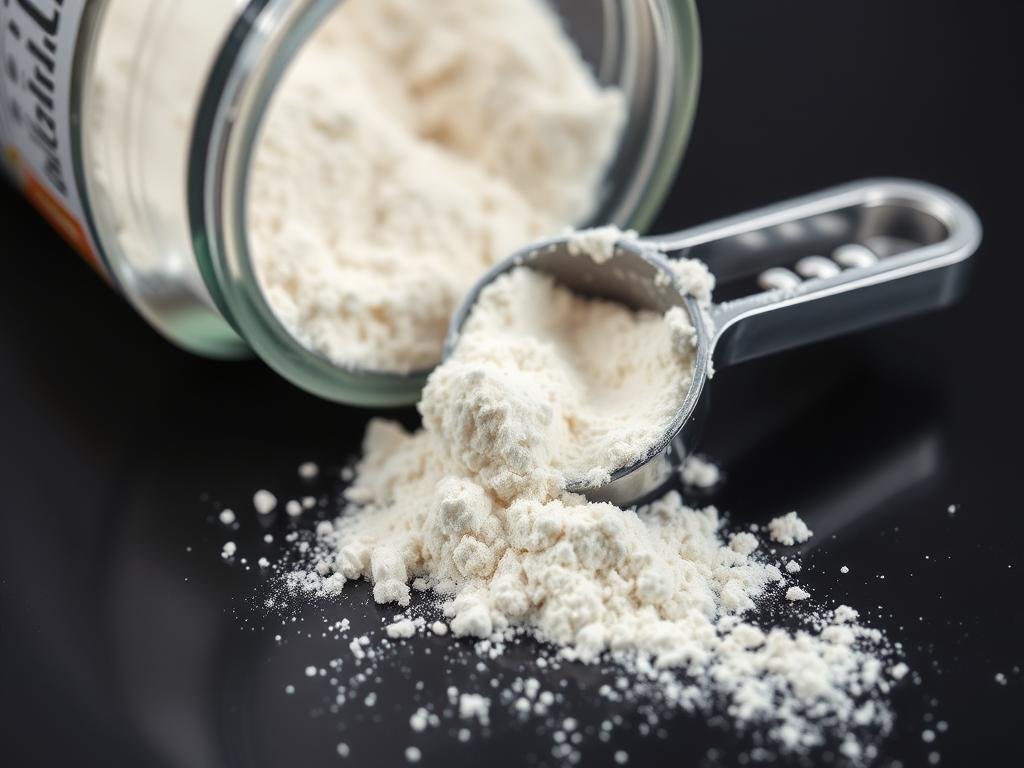
While often associated with muscle building, creatine also plays a significant role in cellular energy production by recycling ATP, particularly during high-intensity activities.
PQQ (Pyrroloquinoline Quinone)
PQQ is a novel compound that not only supports mitochondrial function but also promotes the generation of new mitochondria (mitochondrial biogenesis), potentially increasing the body’s capacity to produce energy.
Did you know? PQQ is one of the few supplements shown to stimulate mitochondrial biogenesis—the creation of new mitochondria in aging cells. This makes it particularly valuable for supporting energy production as we age.
Transform Your Energy Levels Today
Access our complete guide to mitochondrial support supplements and discover which combinations work best for your specific energy needs.
Addressing Specific Energy Needs
Different individuals may require tailored approaches to boost metabolism and energy based on their specific circumstances. Let’s explore some common scenarios and targeted solutions.
Brain Fog and Mental Clarity

Mental fatigue and brain fog often accompany physical energy depletion. The brain is particularly dependent on efficient mitochondrial function, consuming about 20% of the body’s energy despite making up only 2% of its weight.
Supplements that specifically target brain energy and clarity include:
Acetyl-L-Carnitine
Crosses the blood-brain barrier more effectively than regular L-carnitine, supporting brain energy metabolism and neurotransmitter production.
Phosphatidylserine
Supports cell membrane integrity in brain cells and helps optimize glucose metabolism in the brain.
Rhodiola Rosea
An adaptogenic herb that helps combat mental fatigue and supports cognitive function during periods of stress.
Energy Support for Aging
As we age, mitochondrial function naturally declines, contributing to decreased energy levels and metabolic efficiency. This makes mitochondrial support particularly important for older adults.

Key considerations for seniors include:
- Increased CoQ10 needs: Levels naturally decline with age and may be further reduced by medications like statins
- B12 absorption issues: Many seniors have decreased stomach acid, reducing B12 absorption
- Increased oxidative stress: Aging cells face greater oxidative damage, requiring more antioxidant support
- Decreased NAD+ levels: This crucial molecule for energy production declines significantly with age
Combating Oxidative Stress
Oxidative stress occurs when free radicals overwhelm the body’s antioxidant defenses, damaging cellular components including mitochondria. This damage can significantly impair energy production.
What are the signs of excessive oxidative stress?
Common signs include chronic fatigue, brain fog, frequent infections, slow recovery from exercise, premature skin aging, and inflammatory conditions. If you experience several of these symptoms, you may benefit from increased antioxidant support.
Which antioxidants best protect mitochondria?
Mitochondria-targeted antioxidants include CoQ10, alpha-lipoic acid, PQQ, astaxanthin, and glutathione. These compounds specifically help protect the mitochondrial membrane and DNA from oxidative damage, preserving energy production capacity.
Can diet alone provide sufficient antioxidant protection?
While a diet rich in colorful fruits and vegetables provides excellent antioxidant support, certain situations may warrant supplementation. These include aging, chronic stress, intense exercise regimens, environmental toxin exposure, and certain health conditions that increase oxidative stress.
How to Choose Quality Metabolism and Energy Supplements
With countless supplements claiming to boost metabolism and energy, it’s crucial to know how to select high-quality products that deliver results. Here’s what to look for when purchasing mitochondrial support supplements.

Quality Indicators
Third-Party Testing
- Look for supplements tested by independent labs
- Certifications from NSF, USP, or Informed-Choice
- Verified for purity and potency
- Free from contaminants and banned substances
- Certificate of Analysis (COA) available
Bioavailable Forms
- Ubiquinol instead of ubiquinone for CoQ10
- Methylated B vitamins for better absorption
- Acetyl-L-carnitine instead of L-carnitine
- Liposomal delivery systems
- Micronized creatine for better dissolution
Clean Formulations
- Minimal fillers and excipients
- Free from artificial colors and flavors
- No unnecessary additives
- Allergen information clearly stated
- Transparent labeling of all ingredients
Where to Purchase Quality Supplements
Finding reliable sources for high-quality supplements is essential for ensuring you get products that actually work. Here are some recommended options:
Reputable Online Retailers
- Specialized health websites with rigorous quality standards
- Direct from manufacturer websites
- Online platforms that verify third-party testing
- Subscription services that curate quality supplements
Physical Locations
- Health food stores with knowledgeable staff
- Compounding pharmacies
- Integrative health clinics
- Specialty vitamin shops
Supplement Safety Tip: Always consult with a healthcare professional before starting any new supplement regimen, especially if you have existing health conditions or take medications. Some supplements can interact with medications or may not be appropriate for certain health conditions.
Find Premium Mitochondrial Support Supplements
Access our curated selection of top-quality supplements that have been vetted for purity, potency, and effectiveness in supporting metabolism and energy production.
Putting It All Together: Your Comprehensive Energy Enhancement Plan
Boosting your metabolism and energy levels requires a multifaceted approach that addresses lifestyle factors, dietary habits, and targeted supplementation. By implementing the strategies outlined in this guide, you can support your body’s natural energy production systems and experience improved vitality.

Your Action Plan for Enhanced Energy
- Optimize your diet with protein at every meal and metabolism-supporting foods
- Implement a regular exercise routine that includes both strength training and high-intensity intervals
- Prioritize quality sleep by establishing consistent sleep and wake times
- Manage stress through mindfulness practices, deep breathing, or other relaxation techniques
- Consider targeted supplementation based on your specific needs and health goals
- Stay hydrated throughout the day to support all metabolic processes
- Monitor your progress and adjust your approach as needed
Remember that sustainable energy enhancement comes from consistent habits rather than quick fixes. Be patient with your body as it adapts to these positive changes, and you’ll likely notice improvements in your energy levels, mental clarity, and overall vitality over time.
By implementing these best ways to boost metabolism and energy, you’re not just addressing current fatigue—you’re investing in your long-term health and well-being by supporting the fundamental cellular processes that power your life.
Ready to Transform Your Energy Levels?
Take the first step toward optimal energy and vitality with our comprehensive resources and premium supplements designed to support mitochondrial health and boost metabolism naturally.