
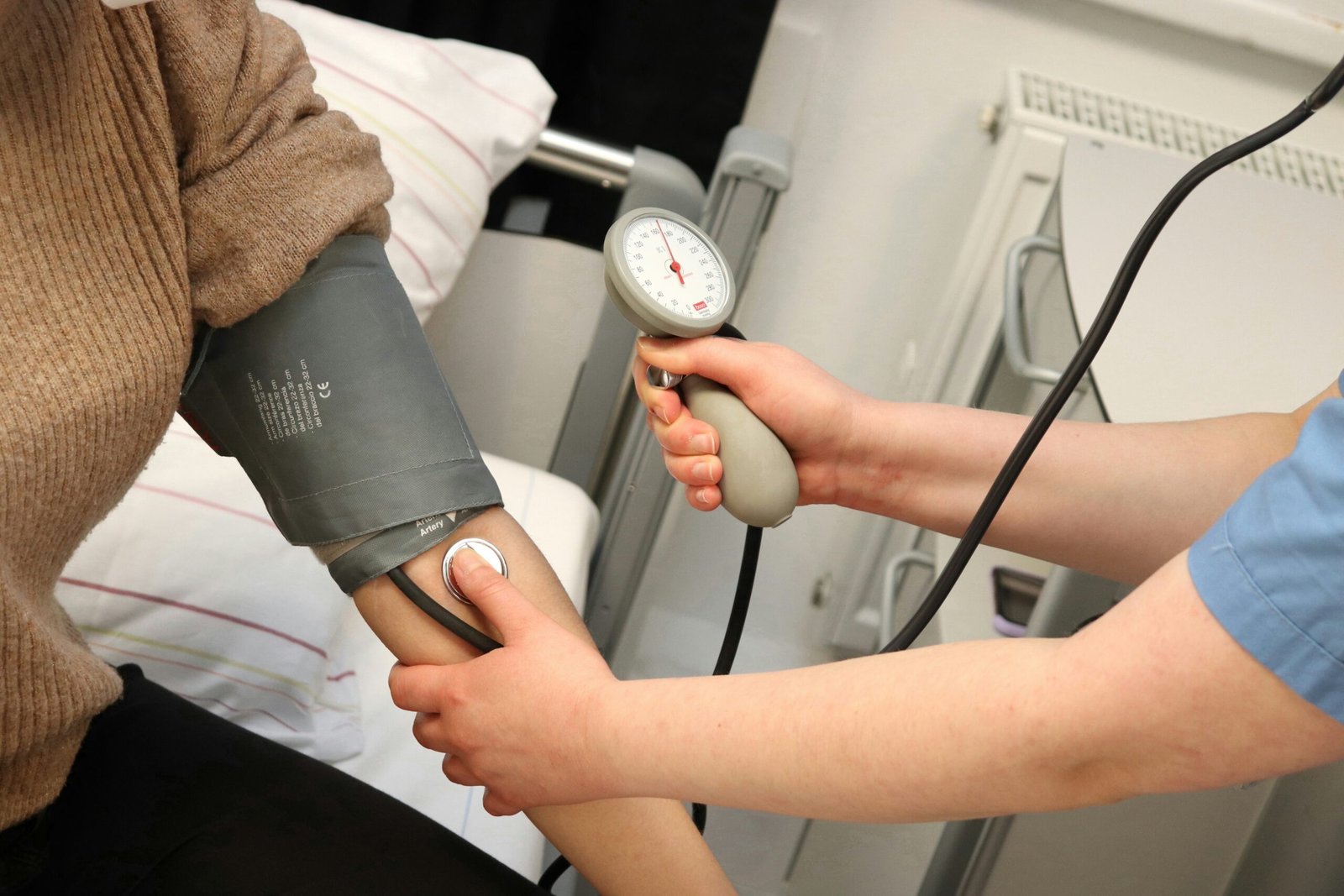
Understanding Blood Pressure: What Your Numbers Really Mean
Before diving into management strategies, let’s clarify what blood pressure is and why it matters. Blood pressure is the force of blood pushing against your artery walls as your heart pumps. It’s measured in millimeters of mercury (mm Hg) and recorded as two numbers:
Systolic Pressure (Top Number)
This measures the pressure in your arteries when your heart beats. A normal systolic reading is less than 120 mm Hg.
Diastolic Pressure (Bottom Number)
This measures the pressure in your arteries between heartbeats. A normal diastolic reading is less than 80 mm Hg.
According to the American Heart Association, high blood pressure (hypertension) is diagnosed when readings consistently show:
| Category | Systolic (mm Hg) | Diastolic (mm Hg) |
| Normal | Less than 120 | Less than 80 |
| Elevated | 120-129 | Less than 80 |
| Stage 1 Hypertension | 130-139 | 80-89 |
| Stage 2 Hypertension | 140 or higher | 90 or higher |
Why does this matter? High blood pressure is often called the “silent killer” because it typically has no symptoms but significantly increases your risk for serious health problems including heart attack, stroke, kidney disease, and vision loss. The good news is that with proper management, you can bring your numbers down and protect your long-term health.

Measuring Your Blood Pressure Correctly
Getting accurate readings is essential for properly managing high blood pressure. Many people are surprised to learn that their readings can vary significantly based on how they measure.
For the most accurate home readings:
- Rest for at least 5 minutes before measuring
- Sit with your back supported and feet flat on the floor
- Support your arm at heart level on a flat surface
- Avoid caffeine, exercise, and smoking for at least 30 minutes prior
- Empty your bladder before measuring
- Don’t talk during the measurement
- Take 2-3 readings, 1 minute apart, and record the average
- Measure at the same time each day
When selecting a home blood pressure monitor, the American Heart Association recommends an automatic, upper arm cuff device that has been validated for accuracy. Wrist and finger monitors are generally less reliable.

7 Proven Natural Strategies for Lowering Blood Pressure
While medication may be necessary for some people, lifestyle changes can significantly reduce blood pressure for many. Here are seven evidence-based strategies that can help you take control:
1. Adopt the DASH Diet
The Dietary Approaches to Stop Hypertension (DASH) diet has been specifically designed to lower blood pressure. Research shows it can reduce systolic blood pressure by 8-14 mm Hg, similar to some medications.
DASH Diet Basics:
- Emphasize fruits, vegetables, and whole grains
- Include fat-free or low-fat dairy products
- Choose lean proteins (fish, poultry, beans)
- Limit foods high in saturated fat and sugar
- Reduce sodium to 1,500-2,300 mg per day

2. Reduce Sodium Intake
Many people with high blood pressure are sodium-sensitive, meaning their blood pressure rises with increased salt intake. Reading food labels is crucial, as processed foods often contain hidden sodium.
Even a small reduction in sodium intake can reduce blood pressure by 2-8 mm Hg. Aim for less than 1,500 mg per day if you have high blood pressure.
Hidden Sodium Sources:
- Breads and rolls
- Cold cuts and cured meats
- Pizza
- Canned soups and vegetables
- Packaged snacks
- Restaurant meals
3. Engage in Regular Physical Activity
Regular exercise strengthens your heart, helping it pump more efficiently and with less force against your artery walls. The American Heart Association recommends at least 150 minutes of moderate activity per week.
Effective Activities:
- Brisk walking (30 minutes, 5 days a week)
- Swimming or water aerobics
- Cycling
- Dancing
- Strength training (2-3 times per week)
Studies show that regular physical activity can lower systolic blood pressure by an average of 5-8 mm Hg. Even small amounts of activity make a difference, so start where you are and gradually increase.

4. Maintain a Healthy Weight
Excess weight forces your heart to work harder to pump blood throughout your body. Losing even a small amount of weight can make a significant difference in your blood pressure.
For every 2.2 pounds (1 kg) of weight lost, blood pressure can drop by about 1 mm Hg. Losing 10 pounds could lower your systolic pressure by 10 mm Hg or more.
Focus on sustainable changes rather than crash diets. Combining the DASH diet with regular physical activity creates a powerful approach to weight management and blood pressure control.
5. Limit Alcohol Consumption
While some studies suggest that very small amounts of alcohol might have heart benefits, excessive drinking definitely raises blood pressure. If you drink, do so in moderation:
- Men: No more than 2 drinks per day
- Women: No more than 1 drink per day
One drink equals 12 ounces of beer, 5 ounces of wine, or 1.5 ounces of 80-proof liquor. Limiting alcohol can lower systolic blood pressure by 2-4 mm Hg.
6. Manage Stress Effectively
Chronic stress can contribute to high blood pressure by triggering your body to release hormones that temporarily increase blood pressure. It may also lead to unhealthy coping behaviors like overeating, poor sleep, or alcohol consumption.
Effective Stress Management Techniques:
- Deep breathing exercises (5-7 breaths per minute)
- Meditation or mindfulness practice
- Progressive muscle relaxation
- Regular physical activity
- Adequate sleep (7-9 hours nightly)
- Social connection and support

7. Quit Smoking
Each cigarette you smoke causes a temporary increase in blood pressure, and the chemicals in tobacco damage blood vessel walls, leading to inflammation and narrowing that raises blood pressure over time.
Quitting smoking is one of the most important things you can do for your overall cardiovascular health. Blood pressure begins to improve within days of quitting, and your risk of heart disease begins to drop within a year.
While these natural approaches are powerful, it’s important to work with your healthcare provider, especially if you’re already taking blood pressure medications. Never stop prescribed medications without medical supervision.
Boosting Your Energy While Managing High Blood Pressure
Many people worry that making lifestyle changes to manage high blood pressure will leave them feeling tired or deprived. The reality is quite the opposite—properly managing your blood pressure often leads to increased energy and vitality.

Energy-Boosting Strategies That Support Healthy Blood Pressure:
- Prioritize quality sleep – Aim for 7-9 hours of uninterrupted sleep. Poor sleep is linked to both higher blood pressure and daytime fatigue.
- Stay hydrated – Proper hydration helps maintain blood volume and supports kidney function, both important for blood pressure regulation.
- Eat smaller, more frequent meals – This helps maintain steady energy levels and prevents the energy crashes that can come with large meals.
- Include protein with each meal – Protein helps stabilize blood sugar and provides sustained energy without the spikes that can stress your cardiovascular system.
- Choose complex carbohydrates – Whole grains, legumes, and vegetables provide steady energy without the blood sugar spikes of refined carbs.
- Incorporate movement throughout your day – Even short walks can boost circulation, energy, and mood while supporting healthy blood pressure.
Many people report that after several weeks of implementing these strategies, they experience not only improved blood pressure readings but also significantly more energy and better overall well-being.
Protecting Your Long-Term Health: Beyond the Numbers
Managing high blood pressure isn’t just about lowering your numbers—it’s about protecting your overall health for years to come. Here are key strategies for long-term cardiovascular protection:
Regular Monitoring and Medical Partnership
Establish a consistent schedule for checking your blood pressure at home and keep a log to share with your healthcare provider. Regular medical check-ups allow for timely adjustments to your management plan.
Create a blood pressure journal that includes your readings, time of day, any symptoms, and notes about medications, diet, or stress levels. This information is invaluable for identifying patterns and optimizing your treatment.

Medication Adherence
If your doctor has prescribed blood pressure medications, taking them consistently as directed is crucial. Many people need a combination of lifestyle changes and medication to achieve optimal blood pressure control.
Tips for Medication Success:
- Use pill organizers or smartphone reminders
- Take medications at the same time each day
- Never stop medications without consulting your doctor
- Report any side effects promptly
- Ask about simplified regimens if managing multiple medications
Heart-Healthy Habits
Beyond blood pressure management, adopting these additional heart-protective habits can further reduce your cardiovascular risk:
- Maintain healthy cholesterol levels
- If you have diabetes, keep blood sugar well-controlled
- Practice good dental hygiene (gum disease is linked to heart disease)
- Prioritize social connections and emotional well-being
- Stay up-to-date with recommended vaccinations

Your 30-Day Action Plan for Managing High Blood Pressure
Breaking down blood pressure management into smaller steps makes it more manageable and increases your chances of success. Here’s a practical 30-day plan to get you started:
Week 1: Establish Your Baseline
- Purchase a validated home blood pressure monitor if you don’t already have one
- Learn proper measurement technique and take readings twice daily
- Start a blood pressure journal to track your readings
- Schedule a check-up with your healthcare provider if you haven’t had one recently
- Begin reading food labels to identify sodium content
Week 2: Implement Dietary Changes
- Reduce sodium intake by 25% (focus on eliminating the highest-sodium foods first)
- Add 2-3 additional servings of fruits and vegetables daily
- Replace refined grains with whole grains in at least one meal per day
- Limit alcohol to recommended levels
- Increase water intake to 8 cups daily

Week 3: Incorporate Physical Activity
- Begin with 10-minute walks, three times daily
- Add simple strength exercises twice weekly (even bodyweight exercises count)
- Practice deep breathing for 5 minutes, twice daily
- Identify and reduce one major source of stress in your life
- Establish a consistent sleep schedule
Week 4: Refine and Sustain
- Review your blood pressure journal to identify patterns
- Increase physical activity duration if you’re ready
- Further reduce sodium intake if needed
- Share your progress with your healthcare provider
- Set specific goals for the next 30 days

Remember that small, consistent changes add up to significant results over time. You don’t need to transform your entire lifestyle overnight. Focus on progress, not perfection.
Overcoming Common Challenges in Blood Pressure Management
Even with the best intentions, you may encounter obstacles on your journey to healthier blood pressure. Here are solutions to common challenges:
“I don’t have time to exercise regularly.”
You don’t need long workout sessions to benefit your blood pressure. Three 10-minute walks throughout the day are just as effective as one 30-minute session. Look for opportunities to add movement to your existing routine—take the stairs, park farther away, or have walking meetings.
“Healthy eating is too expensive.”
While some healthy foods can be costly, many budget-friendly options support heart health. Dried beans, lentils, frozen vegetables, canned fish, and seasonal produce are all affordable and nutritious. Meal planning and cooking at home can actually reduce your food budget while improving nutrition.
“I’m taking medication but still have high readings.”
This is a common issue that requires partnership with your healthcare provider. Possible solutions include adjusting your medication dosage, trying a different medication, checking for proper measurement technique, or investigating other factors that might be interfering with your treatment. Never adjust medications on your own.
“I can’t seem to reduce my stress levels.”
Stress management is highly individual. If traditional methods like meditation aren’t working for you, consider alternatives like progressive muscle relaxation, guided imagery, tai chi, or even activities like gardening or crafting that help you relax. Sometimes, professional support from a therapist can provide additional strategies.
“I get discouraged when my readings fluctuate.”
Blood pressure naturally varies throughout the day and can be affected by many factors including recent activity, emotions, meals, and even how you’re sitting. Focus on the overall trend rather than individual readings. This is why keeping a journal is so valuable—it helps you see the bigger picture of your progress.

Ready for a Simplified Approach to Managing Your Blood Pressure?
If you’re tired of piecing together fragmented advice and want a comprehensive, step-by-step system that takes the guesswork out of managing high blood pressure, we’ve created the perfect resource for you.
Our “Complete Blood Pressure Solution” guide combines the latest medical research with practical, easy-to-implement strategies that fit into your real life. No more confusion, no more overwhelm—just clear direction and support.
What You’ll Discover:
- A customizable 60-day blood pressure reduction plan
- Simple meal plans and recipes that actually taste good
- Time-efficient exercise routines for all fitness levels
- Stress management techniques that work in minutes
- Tracking tools that make monitoring simple and insightful
Thousands have already used these strategies to bring their blood pressure into healthy ranges—many reducing or even eliminating their need for medication (under doctor supervision).

Taking Control of Your Heart Health Starts Today
Managing high blood pressure is one of the most important things you can do for your long-term health and quality of life. While it may seem challenging at first, the strategies we’ve covered can make a significant difference in your blood pressure readings and overall well-being.
Remember that you don’t have to make all these changes at once. Start with one or two that seem most manageable, and build from there. Every small step you take is progress toward better health.
By combining the natural approaches outlined in this guide with proper medical care and consistent monitoring, you can take control of your blood pressure and protect your heart for years to come. Your future self will thank you for the efforts you make today.