
Best Thyroid Support Supplement: A Comprehensive Guide to Optimal Thyroid Health.
Your thyroid gland plays a crucial role in regulating metabolism, energy levels, and overall well-being. When thyroid function becomes imbalanced, it can lead to a cascade of symptoms affecting nearly every system in your body. Thyroid support supplements have gained popularity as a natural approach to maintaining optimal thyroid health, but navigating the world of these supplements can be overwhelming. This comprehensive guide will explore everything you need to know about thyroid support supplements, from key ingredients and benefits to potential risks and how to choose the right option for your needs.
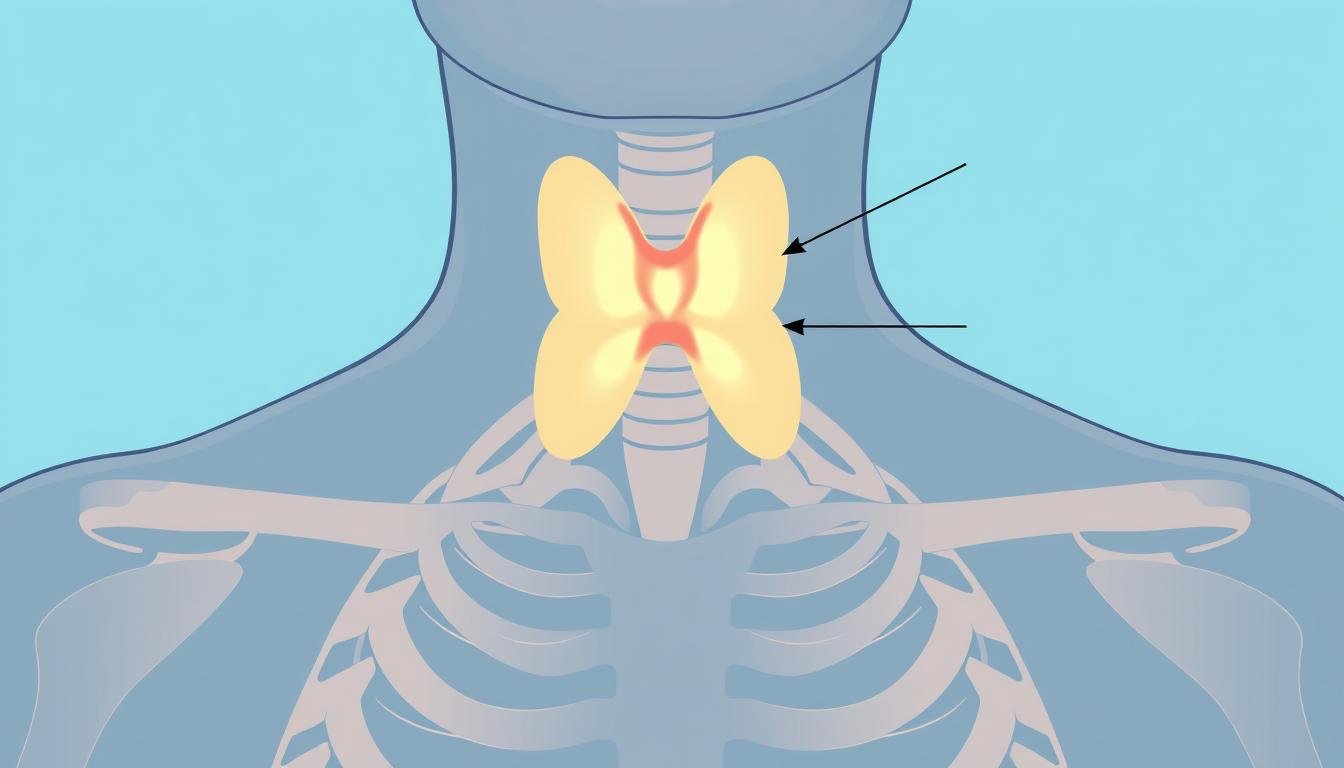
The thyroid gland’s butterfly shape sits at the base of the neck and produces hormones essential for metabolism and energy regulation.
Understanding Thyroid Health and Common Disorders
The thyroid is a small butterfly-shaped gland located at the base of your neck. Despite its size, it produces hormones that influence virtually every cell, tissue, and organ in your body. These hormones regulate your metabolism, heart rate, body temperature, and many other essential functions.
Comparison of normal thyroid function versus hypothyroidism and hyperthyroidism conditions.
Hypothyroidism: When Your Thyroid Is Underactive
Hypothyroidism occurs when your thyroid doesn’t produce enough thyroid hormones. This condition affects approximately 4.6% of the U.S. population and is more common in women, especially those over 60. The most common cause is Hashimoto’s thyroiditis, an autoimmune disorder where the immune system attacks the thyroid gland.
Common symptoms of hypothyroidism include:
- Fatigue and low energy
- Unexplained weight gain
- Increased sensitivity to cold
- Dry skin and hair
- Depression
- Impaired memory and concentration
- Muscle weakness and joint pain
- Elevated cholesterol levels
Hyperthyroidism: When Your Thyroid Is Overactive
Hyperthyroidism is the opposite condition, where your thyroid produces too much thyroid hormone. The most common cause is Graves’ disease, another autoimmune condition. Hyperthyroidism affects approximately 1.2% of the U.S. population.
Common symptoms of hyperthyroidism include:
- Unintentional weight loss
- Rapid heartbeat
- Increased appetite
- Nervousness, anxiety, and irritability
- Tremors in hands and fingers
- Increased sensitivity to heat
- More frequent bowel movements
- Difficulty sleeping
Understanding whether you’re dealing with hypothyroidism or hyperthyroidism is crucial because the approach to supplementation differs significantly between these conditions. Most thyroid support supplements are designed primarily for hypothyroidism, and some ingredients that help an underactive thyroid could potentially worsen an overactive one.
Key Ingredients in Thyroid Support Supplements
Thyroid support supplements typically contain a combination of vitamins, minerals, herbs, and other nutrients that support thyroid function. Here are the most common and effective ingredients you’ll find in quality thyroid supplements:

Common ingredients in thyroid support supplements include iodine-rich foods, selenium, zinc, and adaptogenic herbs.
Essential Minerals
Iodine
Iodine is perhaps the most critical mineral for thyroid function. Your thyroid uses iodine to produce thyroid hormones T3 (triiodothyronine) and T4 (thyroxine). Without sufficient iodine, your thyroid cannot produce adequate hormones, leading to hypothyroidism.
Natural sources of iodine include seaweed, seafood, iodized salt, and dairy products. Most thyroid supplements contain between 100-150 mcg of iodine, often derived from kelp or other sea vegetables.
Important note about iodine: While iodine is essential for thyroid function, more is not always better. Excessive iodine intake can actually worsen thyroid problems, especially in people with Hashimoto’s thyroiditis. The recommended daily allowance (RDA) for iodine is 150 mcg for adults.
Selenium
Selenium is another crucial mineral for thyroid health. It helps convert T4 to the more active T3 form and protects the thyroid from oxidative damage. Research shows that selenium supplementation can reduce thyroid antibodies in people with autoimmune thyroid conditions.
Natural sources include Brazil nuts, seafood, and organ meats. Most thyroid supplements contain 100-200 mcg of selenium, often in the form of selenomethionine, which is highly bioavailable.
Zinc
Zinc plays multiple roles in thyroid function. It’s needed for the production of thyroid hormones and helps regulate the immune system, which is particularly important for those with autoimmune thyroid conditions. Zinc deficiency has been linked to hypothyroidism.
Food sources include oysters, beef, pumpkin seeds, and legumes. Thyroid supplements typically contain 5-15 mg of zinc, often as zinc picolinate or zinc glycinate for better absorption.
Copper
Copper works in balance with zinc and is necessary for proper thyroid function. It helps with the production and absorption of thyroid hormones. However, too much copper can interfere with zinc absorption, so the ratio between these minerals is important.
Natural sources include shellfish, nuts, seeds, and chocolate. Supplements usually contain a small amount of copper (around 1-2 mg) to maintain the proper zinc-to-copper ratio.
Iron
Iron deficiency can impair thyroid function and is common in people with hypothyroidism. Iron is necessary for the production of thyroid peroxidase (TPO), an enzyme involved in thyroid hormone synthesis.
Food sources include red meat, spinach, lentils, and fortified cereals. Some thyroid supplements include iron, though it’s often recommended as a separate supplement for those with confirmed deficiency.
Concerned About Your Thyroid Health?
Understanding your specific thyroid needs is crucial before starting any supplement regimen. Speak with a healthcare professional to determine the right approach for your unique situation.
Supportive Vitamins
Vitamin D
Vitamin D deficiency is common in people with thyroid disorders, especially Hashimoto’s thyroiditis. This vitamin helps regulate immune function and may help reduce thyroid antibodies in autoimmune conditions.
While sunlight is the best natural source, vitamin D is also found in fatty fish, egg yolks, and fortified foods. Many thyroid supplements include 1,000-2,000 IU of vitamin D3.
B Vitamins
B vitamins, particularly B12, are important for energy production and neurological function, which can help alleviate fatigue associated with thyroid disorders. Vitamin B12 deficiency is also common in people with autoimmune thyroid conditions.
Food sources include meat, fish, eggs, and dairy products. Thyroid supplements often include a B-complex or specific B vitamins like B12 (methylcobalamin) and B6 (pyridoxine).
Adaptogenic Herbs
Ashwagandha
This adaptogenic herb has been used in Ayurvedic medicine for centuries. Research suggests that ashwagandha may help increase thyroid hormone levels in people with hypothyroidism and reduce stress, which can negatively impact thyroid function.
Quality thyroid supplements typically include 300-600 mg of ashwagandha root extract.
Schisandra
Another adaptogenic herb, schisandra helps the body adapt to stress and may support overall endocrine function, including the thyroid. It also has antioxidant properties that can protect the thyroid gland.
Coleus Forskohlii
This herb contains forskolin, which may help increase thyroid hormone production and boost metabolism. It’s often included in supplements designed to support an underactive thyroid.
Amino Acids
L-Tyrosine
This amino acid is a direct precursor to thyroid hormones. Your body combines tyrosine with iodine to create T3 and T4. Supplementing with L-tyrosine may support thyroid hormone production, especially in cases of hypothyroidism.
Food sources include meat, dairy, eggs, nuts, and legumes. Thyroid supplements typically contain 300-500 mg of L-tyrosine.
Other Supportive Nutrients
Bladderwrack
This seaweed is naturally rich in iodine and other minerals that support thyroid function. It’s often included in thyroid supplements as a natural source of iodine.
Guggul
Derived from the mukul myrrh tree, guggul may help increase the conversion of T4 to the more active T3 form and support healthy metabolism.

Thyroid support supplements come in various formulations, typically combining multiple ingredients to support overall thyroid function.
How Thyroid Support Supplements Work
Thyroid support supplements work through several mechanisms to promote optimal thyroid function:
Thyroid supplements support multiple aspects of thyroid function, from hormone production to conversion and cellular uptake.
Providing Essential Building Blocks
Ingredients like iodine and L-tyrosine provide the raw materials your thyroid needs to produce hormones. Without these building blocks, hormone production can be impaired.
Supporting Hormone Conversion
Nutrients like selenium and zinc help convert the less active T4 hormone to the more active T3 form, which is what your cells actually use. This conversion is crucial for proper thyroid function.
Protecting the Thyroid Gland
Antioxidants and adaptogens help protect the thyroid from oxidative stress and inflammation, which can damage the gland and impair its function, especially in autoimmune conditions.
Regulating Immune Function
Several nutrients, including selenium, vitamin D, and zinc, help modulate immune function, which is particularly important for those with autoimmune thyroid conditions like Hashimoto’s thyroiditis.
Supporting Energy Production
B vitamins and other nutrients help support cellular energy production, which can help alleviate fatigue associated with thyroid disorders.
Reducing Stress Impact
Adaptogenic herbs like ashwagandha help the body adapt to stress, which can negatively impact thyroid function. Chronic stress can suppress thyroid hormone production and conversion.
It’s important to understand that thyroid supplements are not a replacement for prescription thyroid medication if you have a diagnosed thyroid condition. However, they can complement medical treatment and may help optimize thyroid function, especially in mild cases or subclinical hypothyroidism.
Who Might Benefit from Thyroid Support Supplements
Thyroid support supplements aren’t for everyone, but certain groups may find them particularly beneficial:

Various individuals may benefit from thyroid support supplements, particularly those with specific risk factors or mild thyroid imbalances.
Who May Benefit
- People with mild or subclinical hypothyroidism
- Those with symptoms of low thyroid function but normal lab results
- Individuals with nutrient deficiencies that affect thyroid function
- People with Hashimoto’s thyroiditis looking for complementary support
- Those at risk for iodine deficiency (vegans, those avoiding iodized salt)
- Women during pregnancy and postpartum (with medical supervision)
- People experiencing high levels of stress that may impact thyroid function
- Those looking to support metabolism and energy levels
Who Should Avoid
- People with hyperthyroidism or Graves’ disease
- Those with thyroid nodules or thyroid cancer (without medical supervision)
- Individuals taking prescription thyroid medication (without consulting their doctor)
- People with certain autoimmune conditions that may be aggravated by immune-stimulating ingredients
- Those with allergies to specific supplement ingredients
- Individuals with iodine sensitivity or excess
- People with certain medical conditions like hyperparathyroidism
- Those taking medications that may interact with supplement ingredients
“Thyroid support supplements can be beneficial for many people, but they’re not one-size-fits-all. It’s crucial to understand your specific thyroid status and nutrient needs before starting any supplement regimen.”
If you’re experiencing symptoms that might be related to thyroid function, it’s important to consult with a healthcare provider before self-diagnosing or self-treating with supplements. Proper testing can help determine if you have a thyroid condition and what approach is most appropriate for your situation.
Potential Risks and Side Effects
While thyroid support supplements are generally safe for most people when taken as directed, they can cause side effects in some individuals and may pose risks in certain situations:

Understanding potential risks and side effects is crucial when considering thyroid supplements.
Common Side Effects
- Digestive issues (nausea, stomach pain, diarrhea)
- Headaches
- Insomnia or changes in sleep patterns
- Anxiety or jitteriness
- Allergic reactions to specific ingredients
- Heart palpitations (especially with high iodine doses)
Specific Risks to Be Aware Of
Iodine Sensitivity
Some people, especially those with autoimmune thyroid conditions, may be sensitive to iodine. Too much iodine can actually worsen thyroid function in these individuals and potentially trigger flare-ups of Hashimoto’s thyroiditis.
Interference with Thyroid Medication
Certain supplement ingredients can interfere with the absorption or effectiveness of prescription thyroid medications. If you’re taking thyroid medication, it’s important to separate it from supplements by at least 4 hours.
Masking Serious Conditions
Relying on supplements instead of seeking proper medical diagnosis and treatment can delay appropriate care for serious thyroid conditions that require medical intervention.
Interactions with Other Medications
Some ingredients in thyroid supplements can interact with medications for other conditions. For example, ashwagandha may interact with immunosuppressants, sedatives, and thyroid medications.
Quality and Contamination Concerns
Supplements are not regulated as strictly as medications, which means there can be issues with quality, potency, and contamination. Choosing reputable brands is crucial.
Excessive Stimulation
Some thyroid supplements contain stimulating ingredients that can cause anxiety, insomnia, or heart palpitations, especially in sensitive individuals or when taken in high doses.
If you experience any unusual symptoms after starting a thyroid supplement, discontinue use and consult with a healthcare provider. It’s always better to err on the side of caution when it comes to your health.
How to Choose a Quality Thyroid Supplement
With countless thyroid supplements on the market, choosing a high-quality product can be challenging. Here are key factors to consider:
Carefully examining supplement labels and researching manufacturers is essential when choosing a quality thyroid supplement.
Ingredient Quality and Form
- Look for bioavailable forms of nutrients (e.g., selenomethionine for selenium, zinc picolinate for zinc)
- Check for standardized herbal extracts with specified active compounds
- Avoid products with excessive iodine (more than 150-200 mcg)
- Ensure balanced ratios of minerals (e.g., proper zinc-to-copper ratio)
Manufacturing Standards
- Choose products made in GMP (Good Manufacturing Practices) certified facilities
- Look for third-party testing for quality and purity
- Check for transparency about sourcing and manufacturing processes
- Consider brands that conduct clinical research on their formulations
Formula Appropriateness
- Select formulas designed for your specific thyroid concerns
- Avoid “kitchen sink” formulas with excessive ingredients
- Look for evidence-based combinations of nutrients
- Consider your individual sensitivities and needs
Red Flags to Watch For
- Exaggerated claims about “curing” thyroid conditions
- Products containing actual thyroid hormones or glandular extracts (these should only be prescribed by doctors)
- Extremely high doses of iodine or other nutrients
- Proprietary blends that don’t disclose individual ingredient amounts
- Poor reviews mentioning quality issues or severe side effects
- Lack of transparency about manufacturing practices
Ready to Find the Right Thyroid Support?
Before starting any supplement, consult with a healthcare provider who specializes in thyroid health to determine the best approach for your specific needs.
Questions to Ask Before Purchasing
Does this formula address my specific thyroid concerns?
Different formulations target different aspects of thyroid health. Make sure the supplement you choose addresses your particular needs, whether that’s supporting T4 to T3 conversion, providing essential nutrients, or addressing autoimmune components.
Has this product been tested for quality and purity?
Quality supplements should undergo testing for contaminants, potency, and purity. Look for information about third-party testing on the company’s website or product packaging.
Are the ingredient amounts appropriate and balanced?
Check that the supplement contains appropriate amounts of key nutrients—not too little to be ineffective, but also not excessive amounts that could be harmful. For example, iodine should typically be around 150 mcg, not 1,000+ mcg.
Does this supplement contain any ingredients I’m sensitive to?
Review the complete ingredient list, including “other ingredients” or inactive ingredients, to ensure the product doesn’t contain anything you’re allergic or sensitive to, such as gluten, dairy, soy, or specific preservatives.
Lifestyle Factors That Support Thyroid Health
Supplements alone can’t optimize thyroid function. A holistic approach that includes lifestyle modifications is essential for comprehensive thyroid support:

A holistic approach to thyroid health includes nutrition, exercise, stress management, and quality sleep.
Nutrition for Thyroid Health
Your diet plays a crucial role in supporting thyroid function. Focus on these thyroid-friendly foods:
- Iodine-rich foods: seaweed, fish, dairy, eggs
- Selenium-rich foods: Brazil nuts, seafood, meat
- Zinc-rich foods: oysters, beef, pumpkin seeds
- Antioxidant-rich foods: colorful fruits and vegetables
- Healthy fats: olive oil, avocados, fatty fish
- Fiber-rich foods: whole grains, legumes, vegetables
Consider limiting or avoiding:
- Highly processed foods
- Excessive sugar and refined carbohydrates
- Alcohol and caffeine
- Raw cruciferous vegetables in large amounts (if you have hypothyroidism)
Physical Activity
Regular exercise supports thyroid health by:
- Improving circulation and nutrient delivery to the thyroid
- Enhancing metabolism and energy utilization
- Reducing inflammation and oxidative stress
- Supporting healthy weight management
- Improving mood and reducing stress
The best exercises for thyroid health include:
- Low to moderate intensity cardio (walking, swimming)
- Strength training (2-3 times per week)
- Yoga and gentle stretching
- Mind-body exercises like tai chi
Avoid excessive high-intensity exercise if you have hypothyroidism, as it can further stress your system.
Stress Management and Sleep
Chronic stress and poor sleep can significantly impact thyroid function:
- Stress increases cortisol, which can suppress thyroid function
- Poor sleep disrupts hormonal balance and increases inflammation
- Both can worsen autoimmune thyroid conditions
Effective stress management techniques include:
- Meditation and mindfulness practices
- Deep breathing exercises
- Spending time in nature
- Engaging in enjoyable hobbies
- Setting boundaries and practicing self-care
For better sleep:
- Maintain a consistent sleep schedule
- Create a cool, dark, quiet sleeping environment
- Limit screen time before bed
- Avoid caffeine and alcohol close to bedtime
- Practice a relaxing bedtime routine
“The most effective approach to thyroid health combines targeted supplementation with lifestyle modifications. Neither alone is as powerful as the two working together.”
When to Consult a Healthcare Professional
While thyroid support supplements can be beneficial, there are situations where professional medical advice is essential:

Consulting with a healthcare provider is essential for proper diagnosis and treatment of thyroid conditions.
Seek Medical Attention If You Experience:
- Severe fatigue that interferes with daily activities
- Unexplained weight changes (gain or loss)
- Hair loss, especially from the outer edge of the eyebrows
- Persistent depression or anxiety
- Irregular menstrual cycles or fertility issues
- Heart palpitations or irregular heartbeat
- Swelling or enlargement in the neck area
- Extreme sensitivity to temperature changes
- Persistent digestive issues
- Muscle weakness or joint pain
Important Thyroid Tests to Request
Standard thyroid testing often includes only TSH (Thyroid Stimulating Hormone), which doesn’t provide a complete picture of thyroid function. For a comprehensive assessment, consider asking your healthcare provider for these additional tests:
| Test | What It Measures | Why It’s Important |
| TSH (Thyroid Stimulating Hormone) | Pituitary hormone that stimulates the thyroid | Primary screening test, but can be normal even with thyroid dysfunction |
| Free T4 | Unbound thyroxine hormone | Shows how much thyroid hormone is available for use |
| Free T3 | Unbound triiodothyronine hormone | The active form of thyroid hormone that cells actually use |
| Reverse T3 | Inactive form of T3 | Can indicate if T4 is being converted to inactive rather than active hormone |
| TPO Antibodies | Antibodies against thyroid peroxidase enzyme | Indicates autoimmune thyroid disease (Hashimoto’s) |
| TgAb (Thyroglobulin Antibodies) | Antibodies against thyroglobulin protein | Another marker for autoimmune thyroid disease |
Finding the Right Healthcare Provider
Not all healthcare providers have extensive training in thyroid health. Consider working with:
- Endocrinologists who specialize in thyroid disorders
- Functional medicine practitioners with thyroid expertise
- Naturopathic doctors with experience in thyroid health
- Integrative medicine physicians who combine conventional and alternative approaches
Look for providers who:
- Take a comprehensive approach to testing
- Consider symptoms alongside lab results
- Are open to discussing supplement options
- Address lifestyle factors alongside medical treatment
- Take time to listen to your concerns and experiences
Take Control of Your Thyroid Health Today
Understanding your thyroid function is the first step toward optimal health. Work with a knowledgeable healthcare provider to develop a personalized approach that may include appropriate supplementation, lifestyle changes, and medical treatment if needed.
Conclusion: A Balanced Approach to Thyroid Support
Thyroid support supplements can be a valuable tool in maintaining optimal thyroid health, especially when used as part of a comprehensive approach that includes proper nutrition, regular physical activity, stress management, and quality sleep. However, they are not a replacement for medical treatment of diagnosed thyroid conditions.
The key to success with thyroid supplements is understanding your specific needs, choosing high-quality products with appropriate ingredients, and working with knowledgeable healthcare providers who can guide your approach. By combining targeted supplementation with lifestyle modifications and proper medical care when needed, you can support your thyroid function and improve your overall well-being.
Remember that thyroid health is highly individual, and what works for one person may not work for another. Be patient with the process, listen to your body, and be willing to adjust your approach as needed. With the right support and information, you can take meaningful steps toward optimizing your thyroid health and enjoying the benefits of increased energy, improved metabolism, and better overall quality of life.

Supporting your thyroid health can lead to improved energy, metabolism, and overall quality of life.